 FeaturedFree entry
Brașov neighbourhood
Old Town
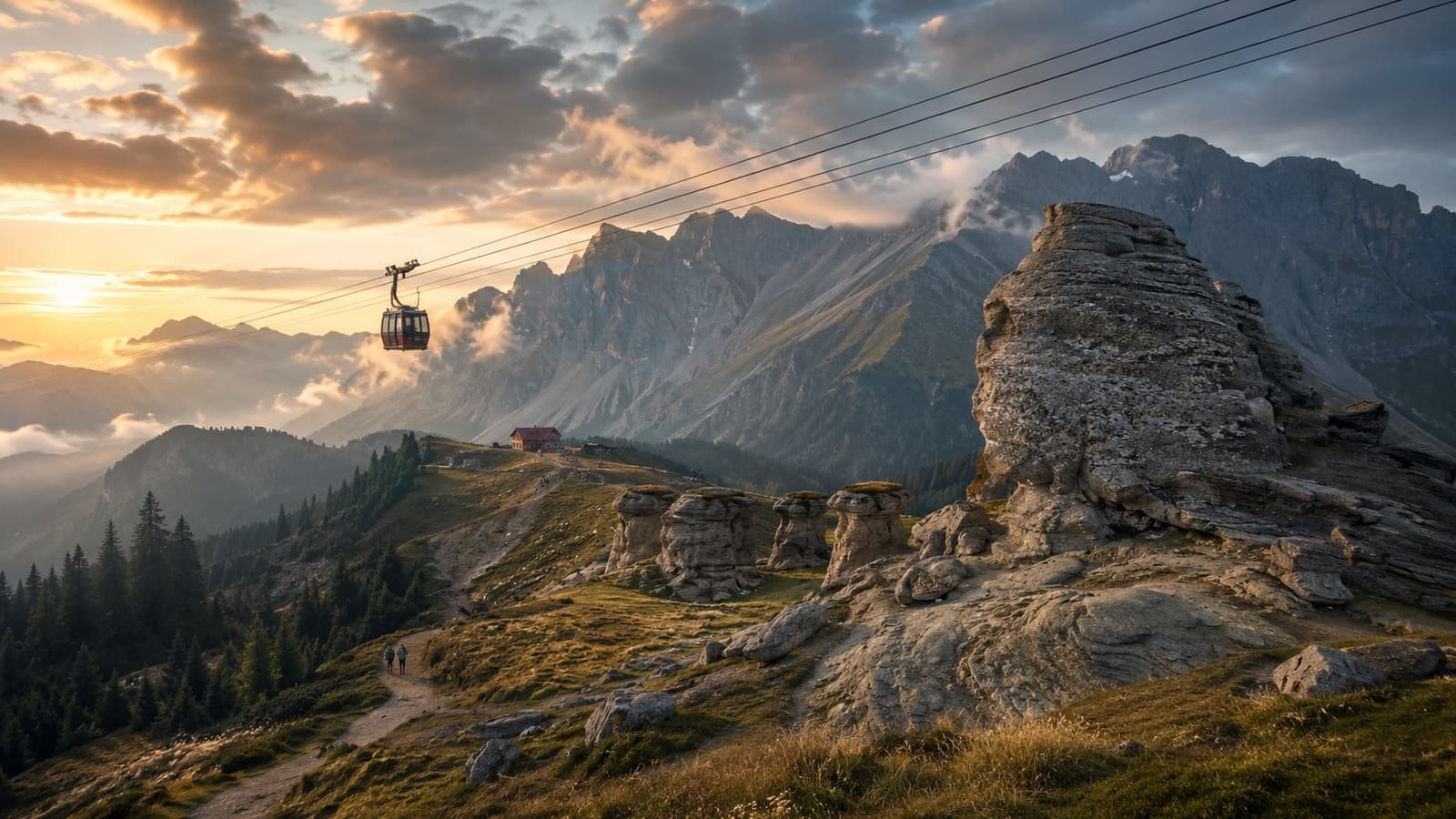
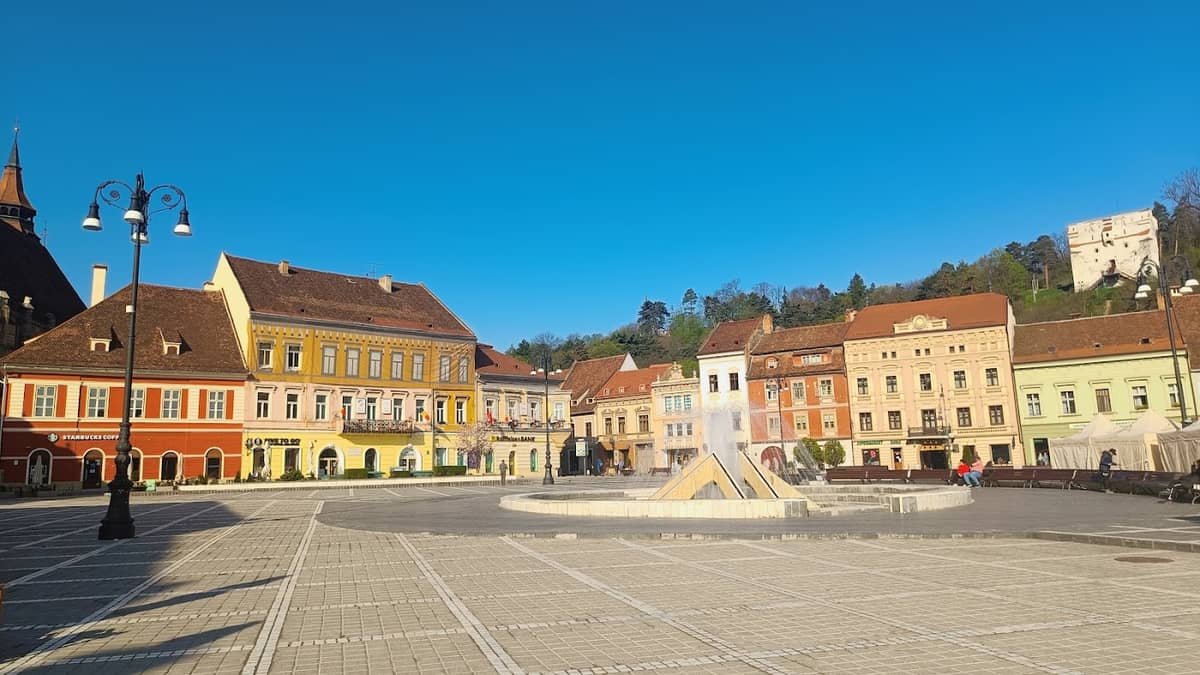
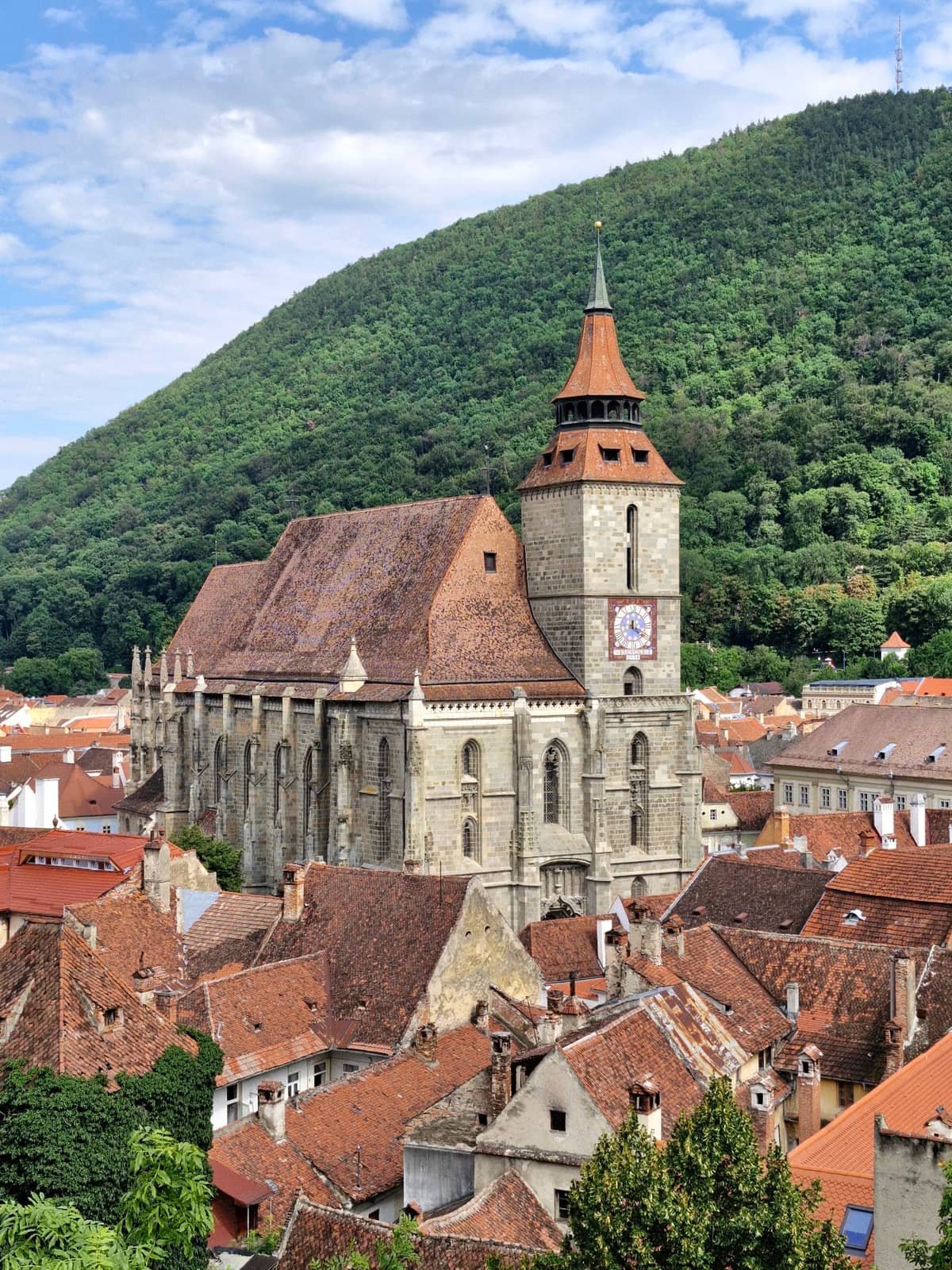
The walled Saxon town of Kronstadt: Piața Sfatului, the Black Church, the towers above the walls and Tâmpa rising straight behind. The obvious first base.
What it is
The Old Town is the walled Saxon city the Germans called Kronstadt — a grid of merchant streets laid out below Tâmpa and first recorded in 1235. The walls still run along most of its southern and western edges, with bastions built by the guilds that defended them. Everything a first-time visitor comes for is inside, or a few minutes outside, this rectangle.
What is here
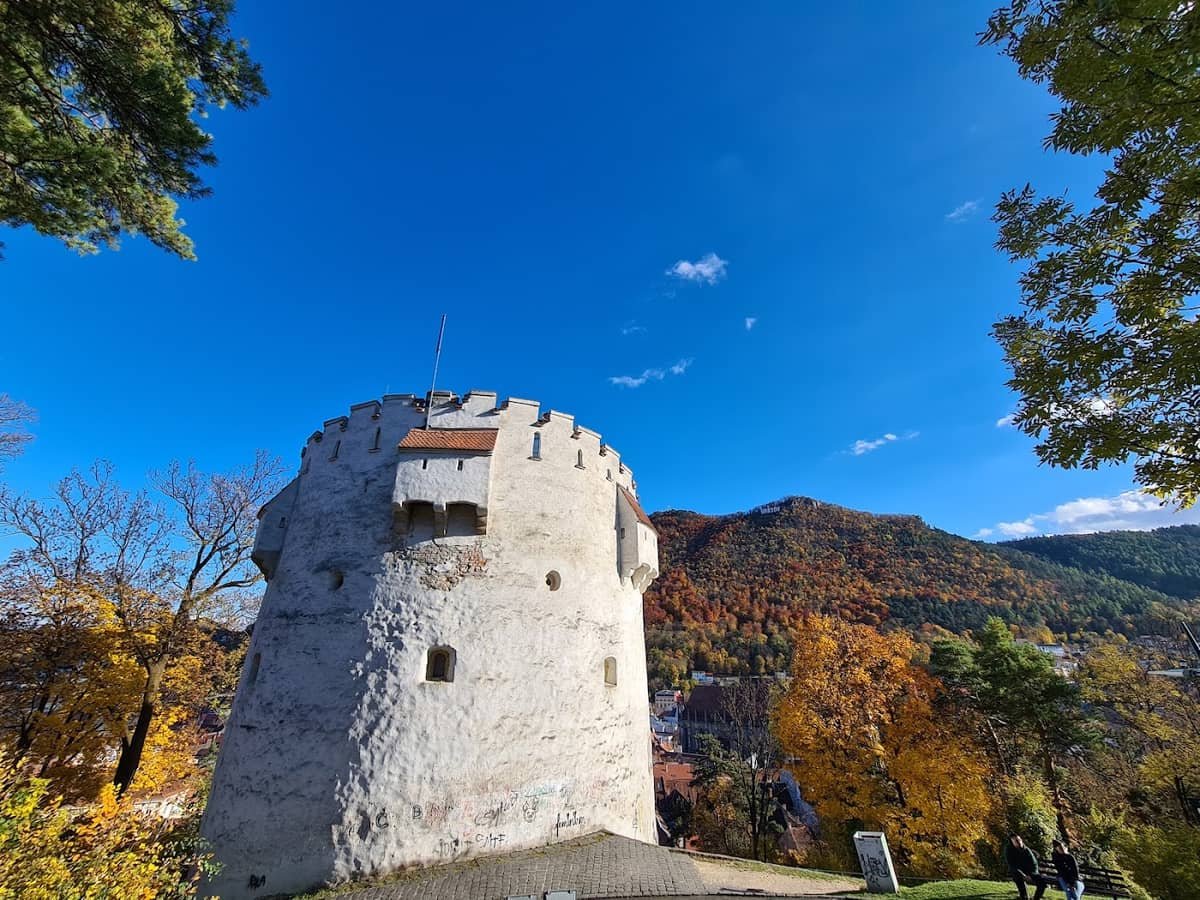
Piața Sfatului, the former market square, with the Council House in the middle — today the County History Museum and the tourist information centre. Behind it, the Black Church, built 1383–1477 and blackened by the great fire of 1689; adult entry is 30 lei. Along the walls: the Weavers' Bastion, the Graft Bastion and the climb to the White Tower and Black Tower, the best free views of the roofs. At the southern corner stand Poarta Ecaterinei (1559) and Poarta Șchei, with Strada Sforii, 80 m long and barely more than a metre wide, a few steps away. The Tâmpa cable car leaves from the promenade under Tâmpa; on the square itself are Casa Mureșenilor and the Museum of Urban Civilisation.
What it is like
Strada Republicii and the square are busy from late morning until well after dark, and the terraces fill every warm evening. The lanes towards the walls — Strada Cerbului, Michael Weiss, Apollonia Hirscher — are quieter, and after about eleven the centre becomes surprisingly calm. In December the Christmas market takes over the square (27 November 2026 – 3 January 2027).
Who should stay here
Anyone on a first visit, and anyone without a car. You can walk to every sight in the city and be at the Tâmpa cable car in ten minutes. The best addresses are Bella Muzica and Casa Wagner on the square, and the Aro Palace on Bulevardul Eroilor — which is being renovated into a Hyatt Regency during 2026–27, so ask what is finished before you book.
The catch
Rooms facing Piața Sfatului or Republicii hear the terraces, and on festival weekends the square carries music late. Many old-town buildings have no lift. Parking is scarce and paid; a reform that would raise the historic-centre rate is in public consultation until 9 October 2026 and is not yet in force.
Getting there
From the railway station it is about 3 km — ten minutes by taxi or a city bus towards the centre. From Brașov-Ghimbav airport, the A1 bus stops at Livada Poștei, on the edge of the Old Town. Everything inside the walls is on foot; see getting around.
Living here
More brașoveni still live inside the walls than visitors imagine, but the housing is almost entirely old. Expect two- and three-storey burgher houses built around courtyards, divided into flats with high ceilings, thick walls, wooden stairs and, very often, no lift. The whole rectangle is a protected historic zone, so work on façades, roofs and windows needs heritage approval and takes time; there are no modern blocks and practically no new construction. A growing share of flats on the main streets is let to visitors by the night, so the people across the landing may change every weekend. Before signing anything, ask how the flat is heated and where — if anywhere — you can park.
Everyday life works better than the postcard suggests. Piața Star, the municipal market on Strada Nicolae Bălcescu, is on the northern edge; small supermarkets, bakeries and pharmacies line Republicii, Mureșenilor and Bălcescu; and the Transilvania University rectorate sits just outside the walls on Bulevardul Eroilor, beside the Central Park. Your real park is Tâmpa: the forest begins at the end of the street, and the promenade under the walls is a popular running route.
You rarely need transport — the Old Town is where everyone else is commuting to. Buses 4 and 52 cross it, stopping at Biserica Neagră and Brâncoveanu on the way to Piața Unirii in Șchei; by the RATBV timetables, line 4 runs about every 9 minutes on weekdays and takes around 12 minutes from the railway station to Livada Poștei. Every other line leaves from Livada Poștei or the Primărie stop on the northern edge, including bus 20 to Poiana. See getting around.
Noise depends on the street. Piața Sfatului and Republicii carry terraces late into the evening, festivals, the Christmas market from late November and early deliveries; the lanes towards the walls are quiet. The southern edge is also forest edge: in May 2026 RO-ALERT bear warnings covered Aleea Tiberiu Brediceanu, the promenade under Tâmpa, as well as the centre itself.
It suits people without a car who want to walk everywhere, remote workers who like a café on the doorstep and fit retirees. The downsides are honest ones: stairs, scarce and increasingly expensive parking — a proposal in consultation until 9 October 2026 would make the centre "Zone 0", with a weekday resident pass — summer crowds, and square-side prices for everyday things.
🏰 Attractions
See all →FeaturedFree entry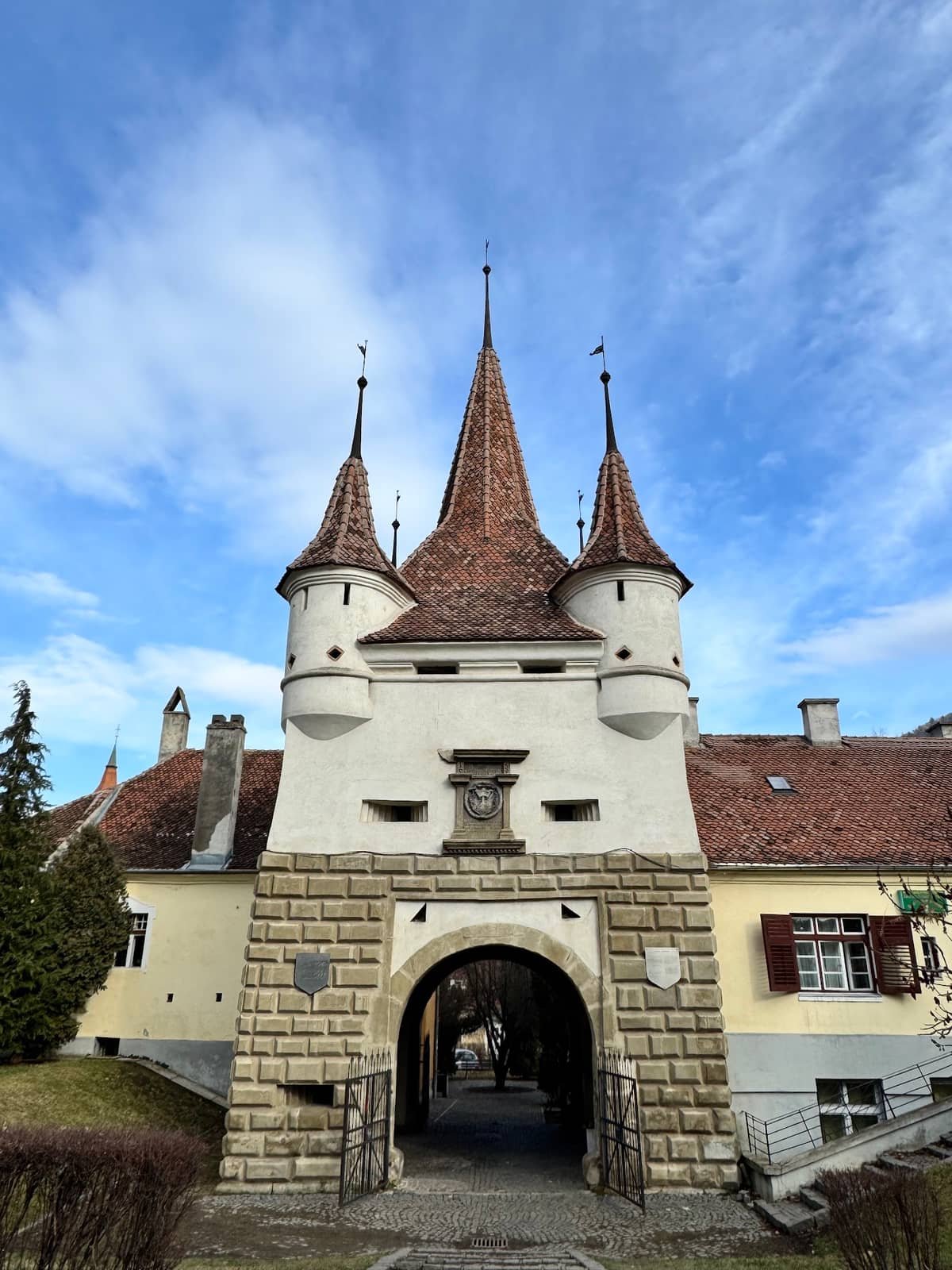 Featured
Poarta Ecaterinei
Centrul Istoric4.7(612)out of 5 on Google
 FeaturedFree entry
 FeaturedFree entry
🍺 Pubs, craft beer & wine bars
See all →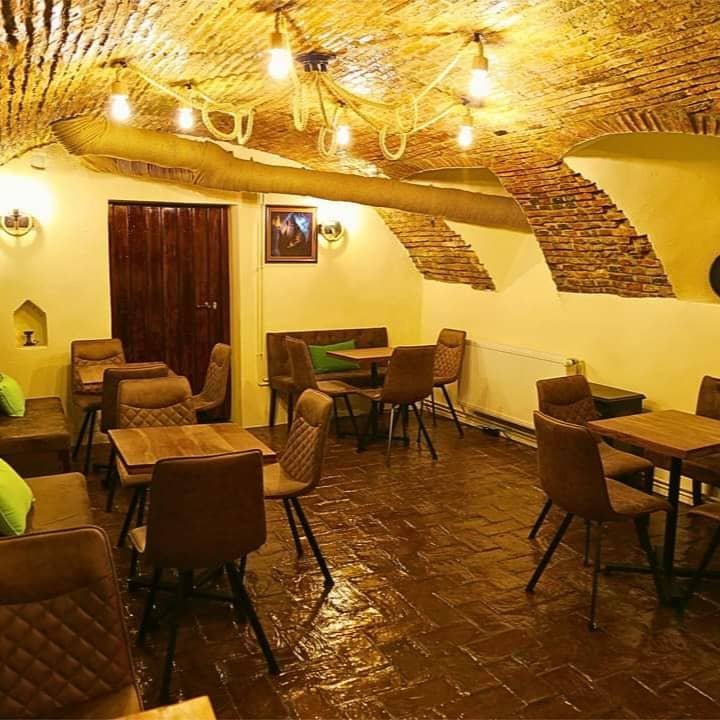
🍽️ Restaurants
See all →


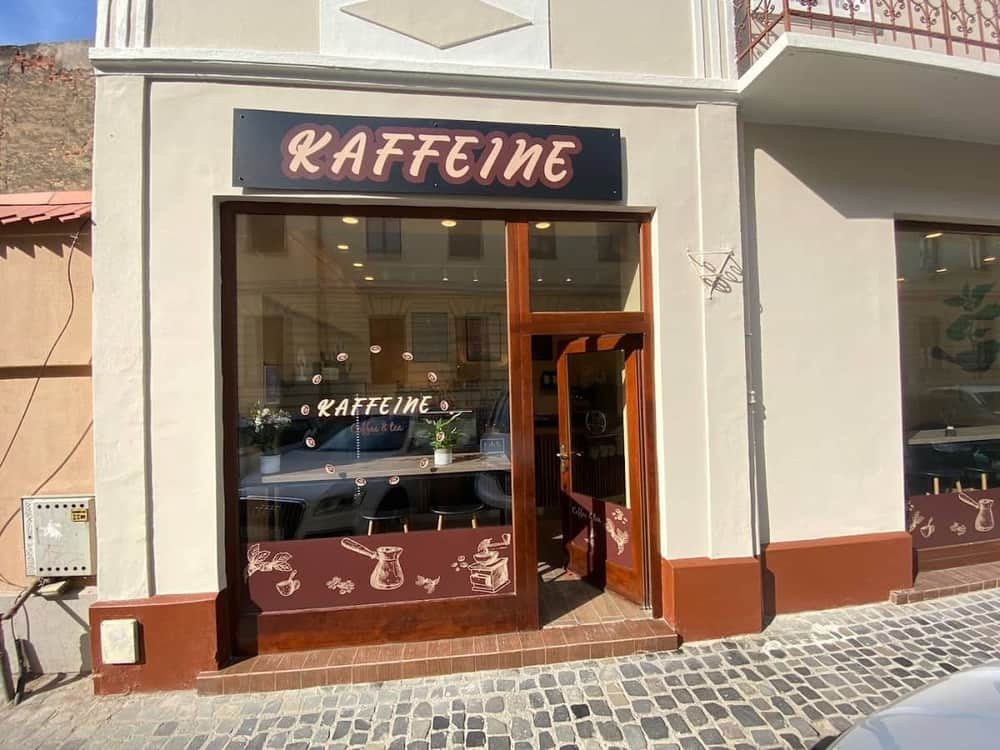
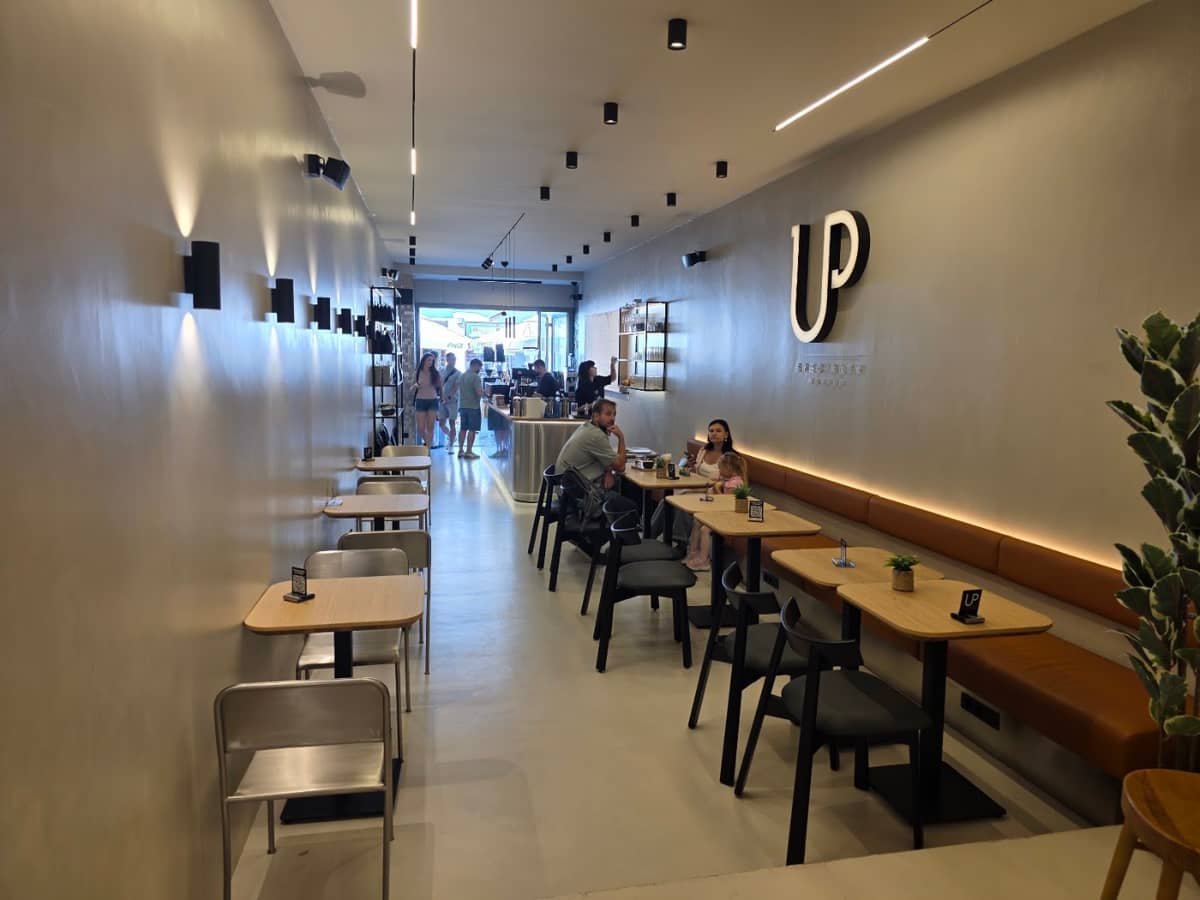
☕ Cafés & patisseries
See all →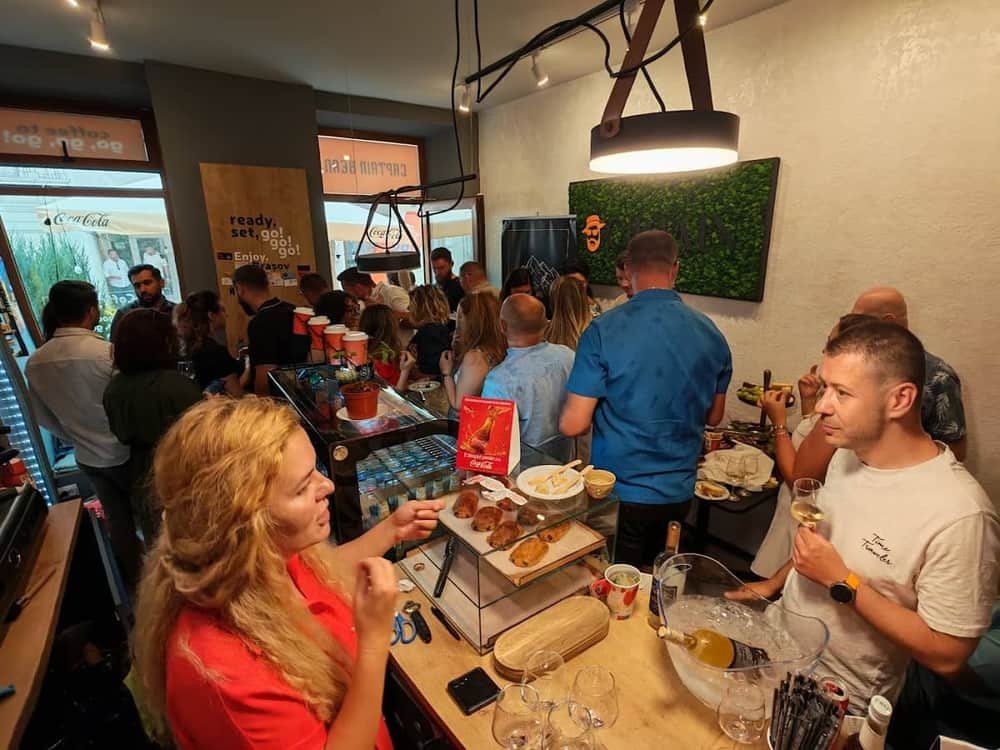
🛏️ Where to stay
See all →


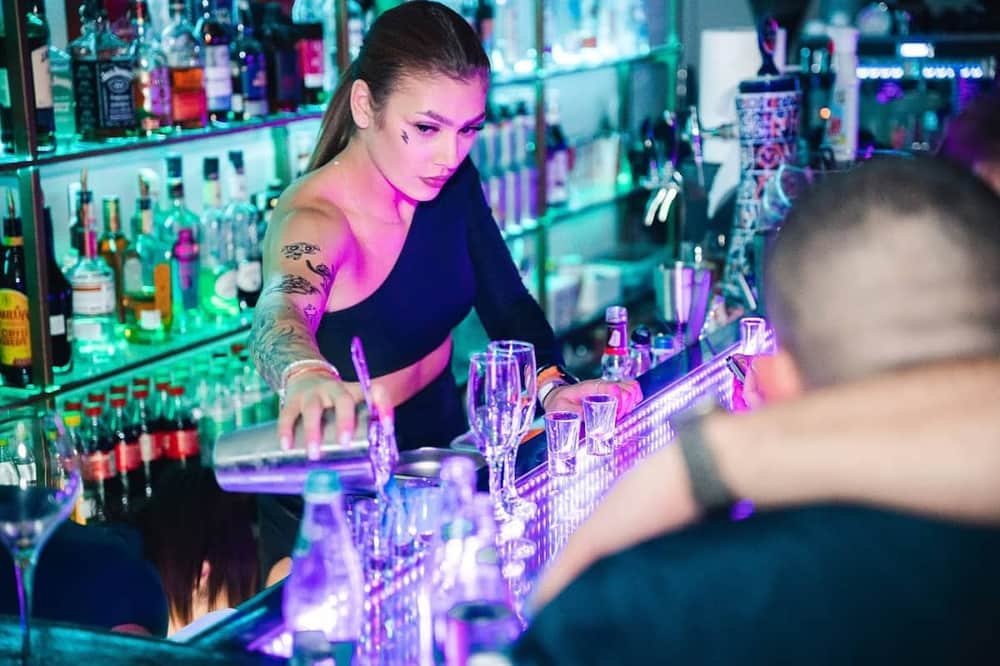
🍸 Cocktail bars & nightlife
See all →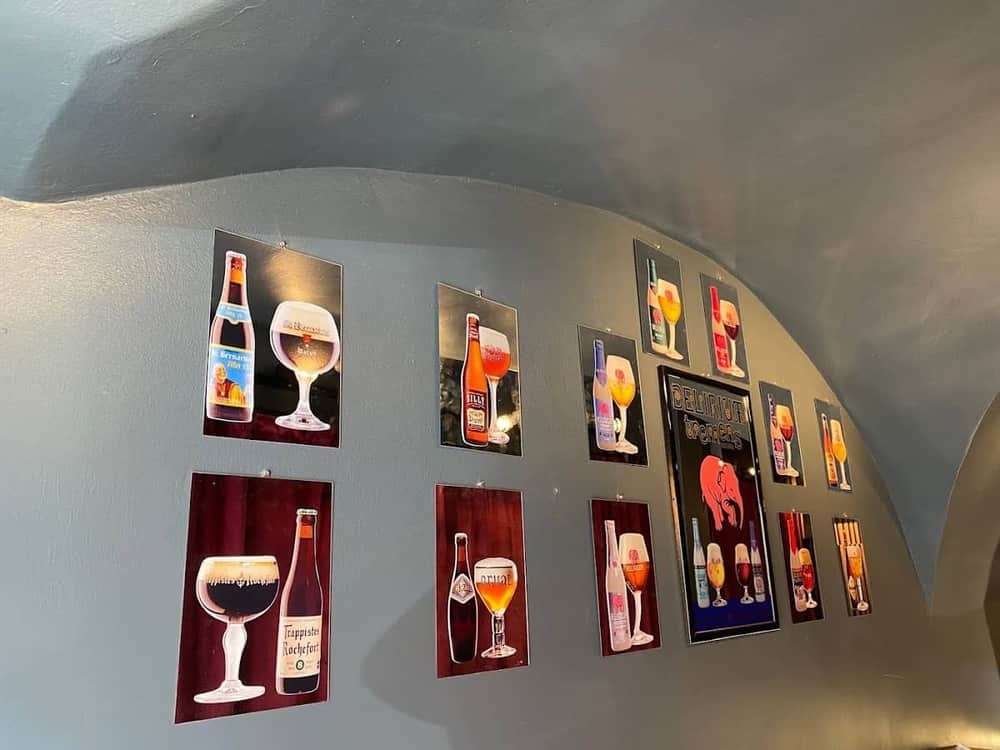
Where to stay in Old Town
Live prices and availability on a map centred on this exact spot — hotels, apartments and hostels, so you can judge the walk from here rather than guess from an address.
Bookings made through this map earn us a commission. Your price is unaffected.
Partner links · GetYourGuide
Tours & tickets nearby
Skip-the-line tickets, tours and experiences bookable ahead — free cancellation on most.
See all options: Old Town, Brașov →We may earn a commission from these. It never changes your price.
Frequently asked
Where is the Old Town, and how do I get there?
It is the centre: Piața Sfatului, the Black Church and Strada Republicii are all inside the old walls, and the whole Old Town is walkable in twenty minutes end to end. From the railway station it is about 3 km — a short taxi or any bus towards Livada Poștei.
What is worth seeing in the Old Town?
The best-known sights here are Piața Sfatului, Poarta Ecaterinei and Turnul Alb. The full list, with opening hours and a map, is further up this page.
Where should I eat in the Old Town?
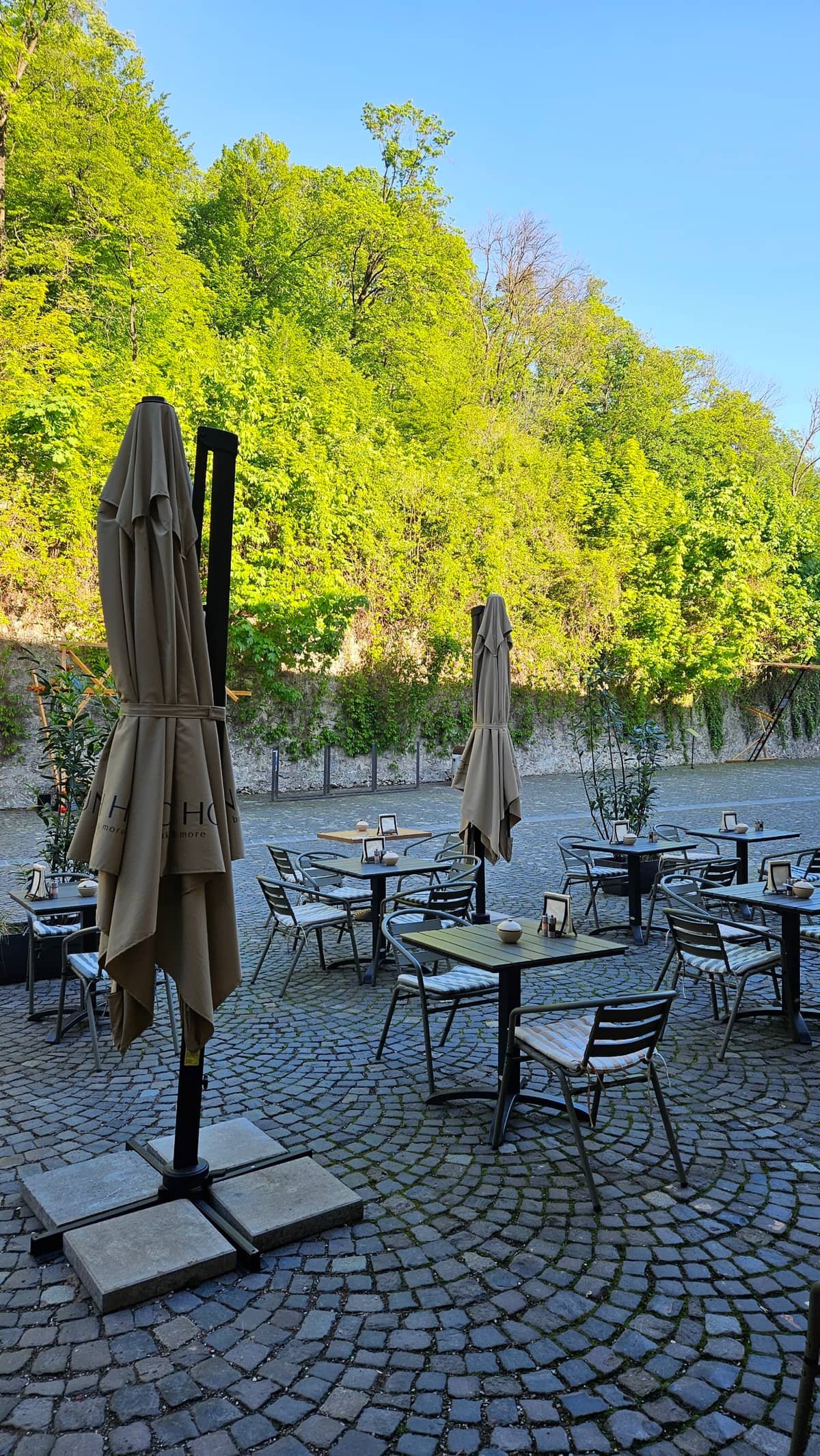
Among the best-rated restaurants in the area are TOAST-eria 26, Brunch House and Masala Baba - Indian Soul Food. The ratings come from Google and are refreshed periodically — they are not paid placements.
Is the Old Town a good area to stay in?
It depends what you want from it. The accommodation section above lists several options in the area, and the write-up at the top of this page says plainly who it suits and who it does not. The map at the foot of the page is centred on the Old Town itself.
Where can I get a good coffee in the Old Town?
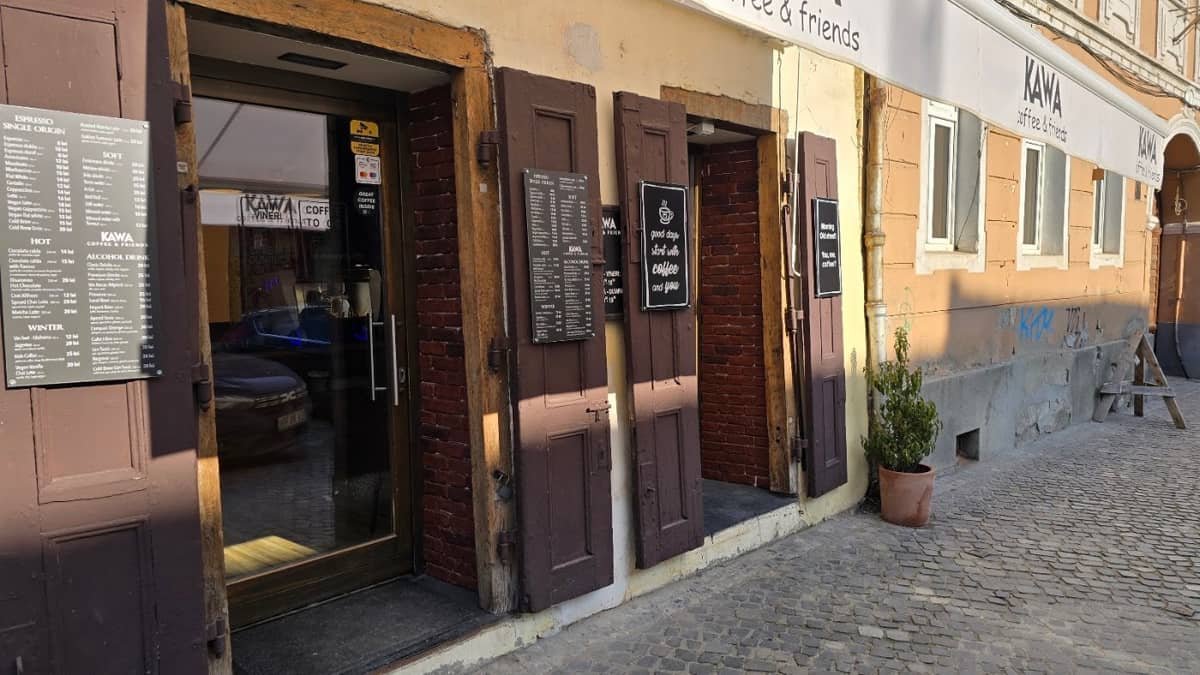
Start with Captain Bean Brasov and KAWA coffee & friends. Brașov has a solid specialty-coffee scene in the Old Town, and the classic cofetării (patisseries) are still the place for a cake — or papanași.
Where can I get a beer or a glass of wine in the Old Town?
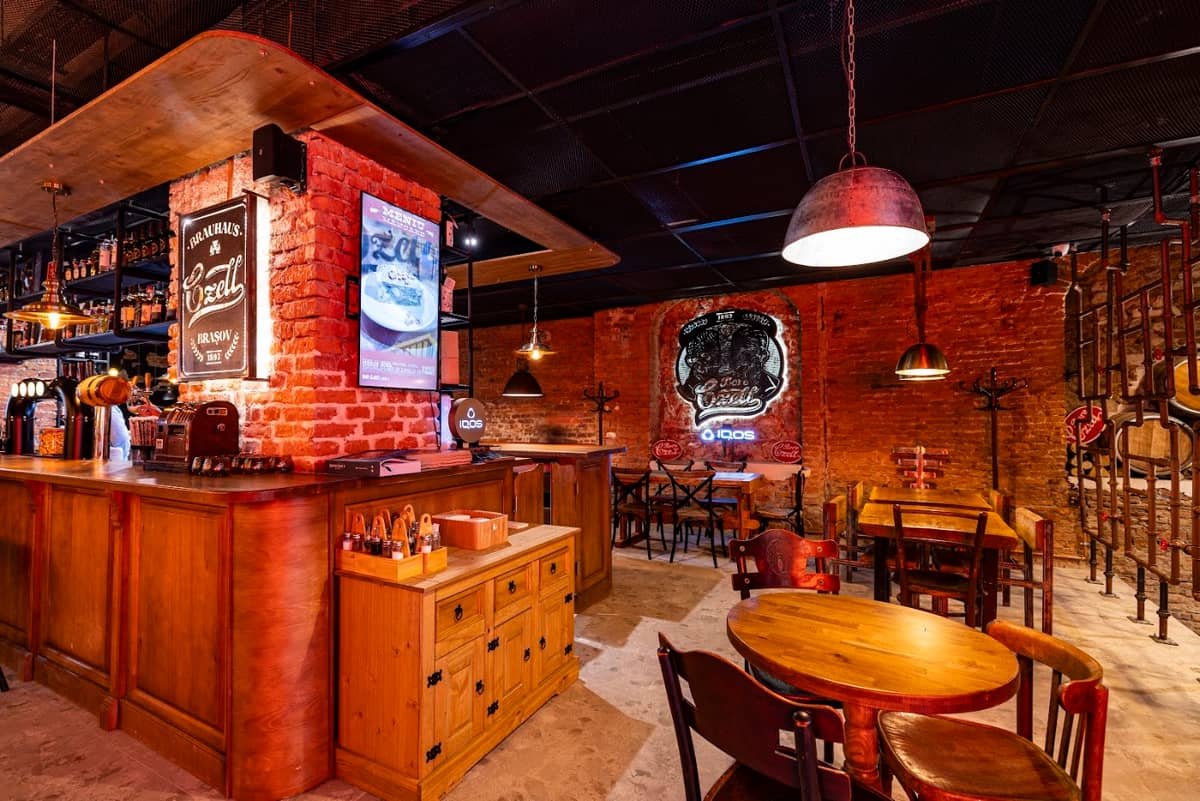
Start with Merlin's Pub and Old Town Pub Brasov. Romanian wine (Fetească Neagră, Fetească Albă, Tămâioasă) is poured by the glass in the good wine bars, and local craft beer has grown fast in recent years.
Does the Old Town have any nightlife?
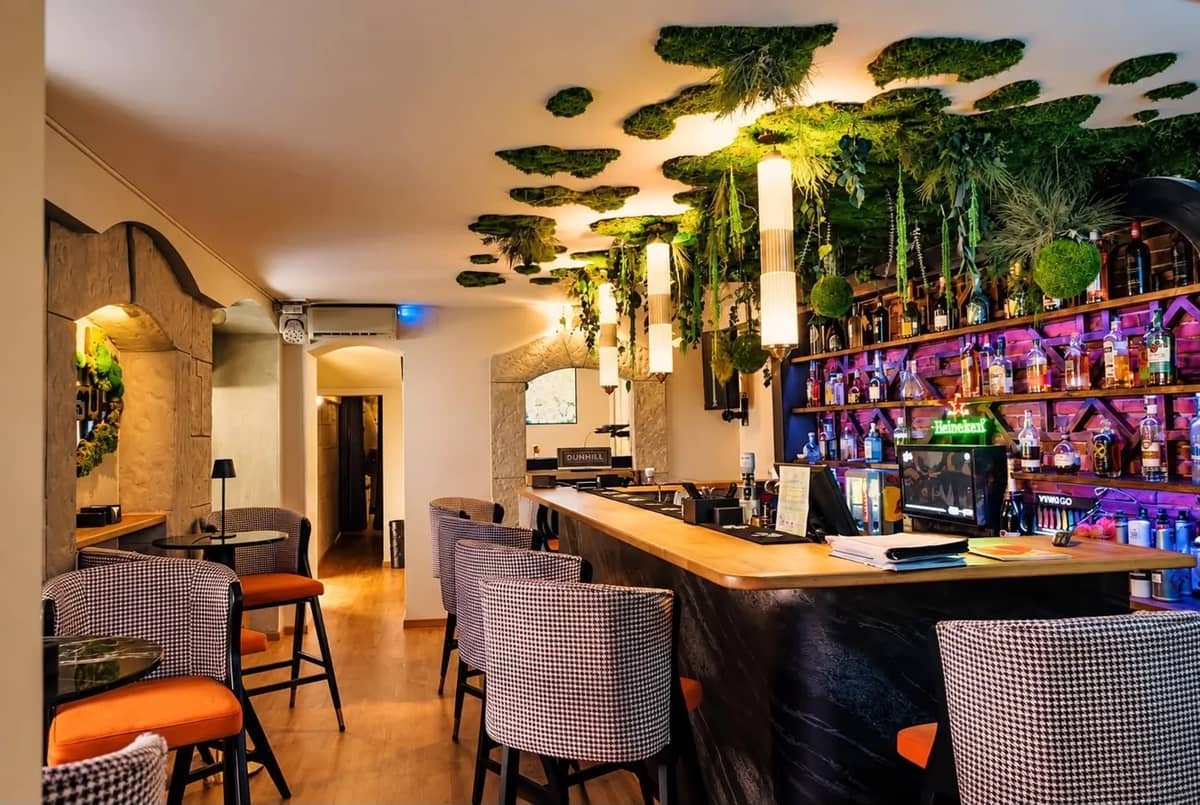
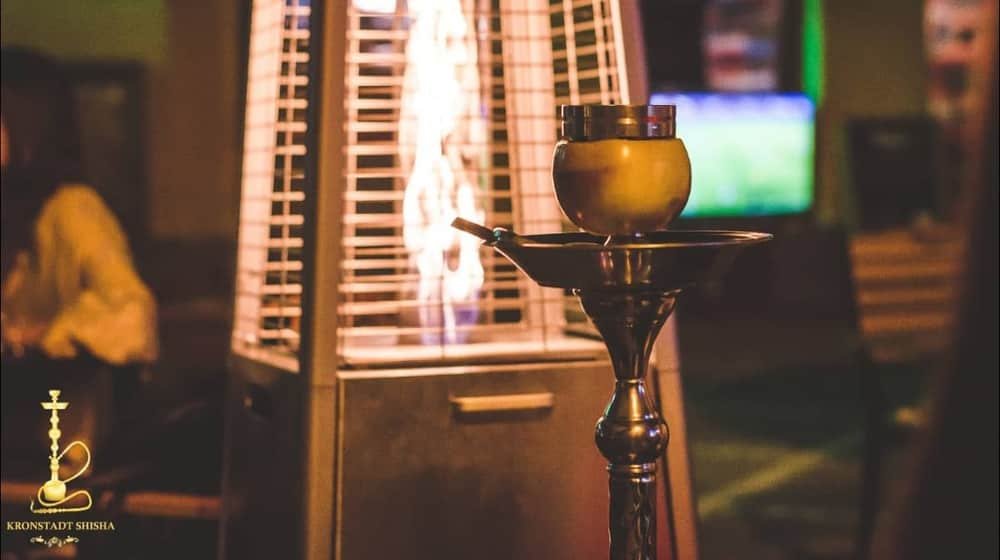
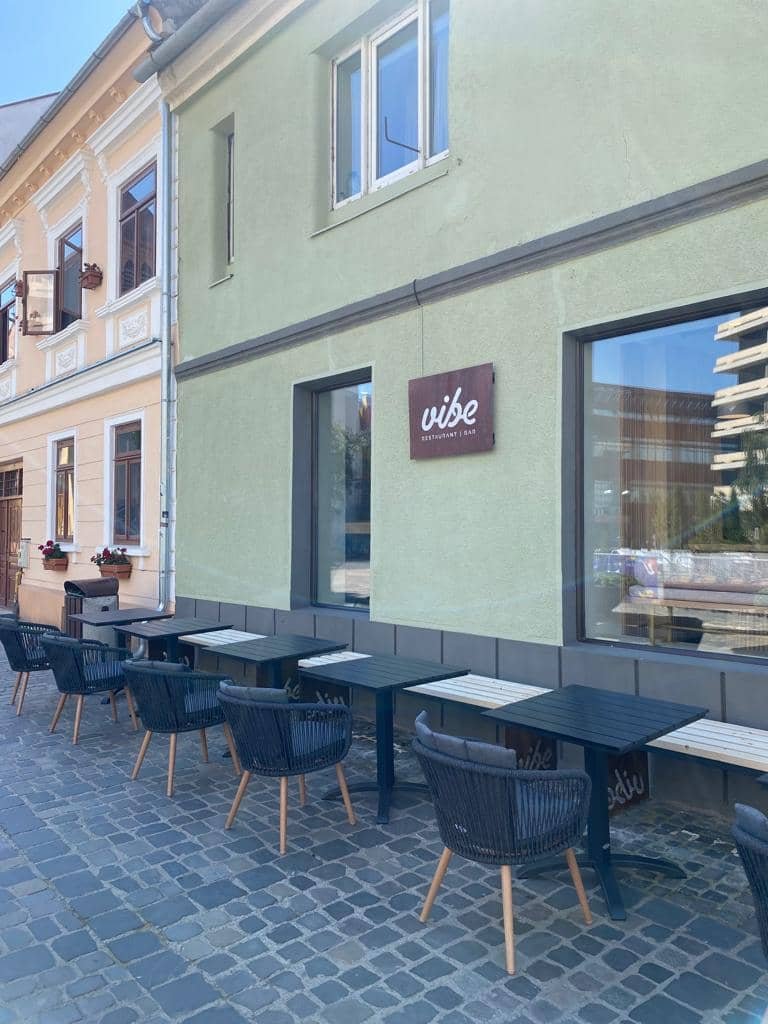
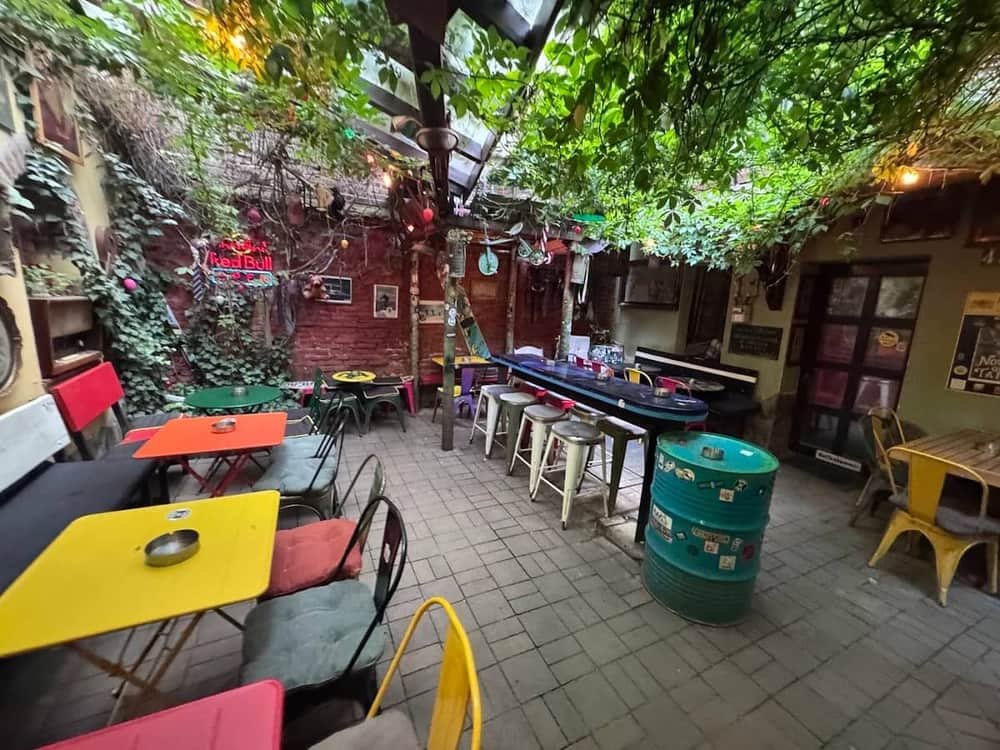
Yes. Reference points in the area include BraShot, Hukka Lounge and Vibe Fusion Sushi & Brunch Brasov. The city's densest cluster of bars is still in the Old Town, along Republicii, Michael Weiss and the lanes around Piața Sfatului.
Nearest areas
Straight-line distance from the centre of this area. In Brașov itself most of these are a walk or a short bus ride; up the mountain and out to the villages, the road is always longer than the line.
Before you go
Ski lessons & snow experiencesPrivate and group lessons, snowshoe hikes and snowmobile rides around Poiana Brașov, booked ahead — in the Christmas and February holiday weeks the good instructors are gone by mid-December.See ski experiences →Castle day tripsBran, Peleș, Râșnov and Cantacuzino in one day with a driver — the honest shortcut if you have no car, since public buses to Bran and Sinaia do not connect the castles to each other.Compare castle tours →Bear watching & the bear sanctuaryEvening bear watching from a hide in the forest, or the Libearty sanctuary at Zărnești, where rescued bears live in the oak woods. Book a licensed operator — never feed or approach a wild bear.See bear tours →Castle ticketsBran is the busiest ticket desk in Romania on summer weekends and at Halloween; an entry booked ahead skips the longest part of the queue.Check tickets →
We may earn a commission from these. It never changes your price.